
Sensory Integration Activities: A Comprehensive Guide
Discover a wealth of sensory integration activity PDFs designed for home‚ classroom‚ and therapy! These resources offer actionable ideas to support children’s development and learning.
What is Sensory Integration?
Sensory integration is the neurological process organizing sensations from the body and environment‚ enabling functional behavior. It’s not simply about having senses‚ but how the brain interprets and responds to sensory information. When integration is efficient‚ a child can seamlessly use their senses to learn and interact. However‚ difficulties arise when the brain struggles to process these signals effectively.
PDF resources detailing sensory integration activities are invaluable tools for understanding and addressing these challenges. These guides often explain how seemingly simple activities – like swinging‚ jumping‚ or playing with textured materials – can profoundly impact a child’s sensory processing. They provide structured approaches to stimulate core sensory systems‚ improving a child’s ability to regulate emotions‚ focus attention‚ and develop essential skills. Finding these activity PDFs empowers parents and educators to proactively support a child’s sensory needs.
The Importance of Sensory Integration for Development
Sensory integration profoundly impacts a child’s development‚ influencing areas like motor skills‚ learning‚ and emotional regulation. Efficient sensory processing is foundational for academic success‚ social interaction‚ and self-confidence. When sensory systems aren’t working harmoniously‚ children may struggle with coordination‚ attention‚ or emotional outbursts.
Sensory integration activity PDFs offer targeted interventions to address these developmental delays. These resources provide practical exercises designed to strengthen core skills like balance‚ coordination‚ and bilateral integration – all crucial for everyday functioning. Utilizing these PDFs allows for consistent‚ focused practice‚ promoting neurological changes that improve sensory processing. They are particularly beneficial for children with sensory processing disorder or developmental delays‚ offering a pathway to enhanced participation and improved quality of life. Accessing these guides empowers caregivers to actively support a child’s developmental journey.

Core Sensory Systems Involved
Explore sensory integration activity PDFs focusing on vestibular‚ proprioceptive‚ and tactile systems! These guides detail exercises to enhance each system’s function and coordination.
Vestibular System & Activities
Understanding the Vestibular System: The vestibular system‚ crucial for balance and spatial orientation‚ significantly impacts sensory integration. Numerous sensory integration activity PDFs specifically target this system‚ offering exercises to improve coordination and reduce sensitivities.
Activities & Resources: These PDFs often include activities like swinging‚ spinning (with supervision!)‚ rolling‚ and obstacle courses. Look for guides detailing how to modify these activities for different developmental levels. Many resources emphasize the importance of controlled movement to stimulate the vestibular system effectively.
Benefits & Considerations: Strengthening the vestibular system can improve posture‚ balance‚ and even focus. However‚ it’s vital to start slowly and observe the child’s response‚ as overstimulation can occur. Printable checklists within these PDFs can help track progress and identify potential sensitivities. Remember to consult with an occupational therapist for personalized recommendations.
Proprioceptive System & Activities
The Power of Proprioception: The proprioceptive system provides awareness of body position and force. Sensory integration activity PDFs frequently emphasize proprioceptive input‚ as it’s often calming and organizing for individuals with sensory processing challenges. These activities help children understand where their body is in space.
Activities & Printable Guides: Common activities detailed in these PDFs include heavy work – pushing‚ pulling‚ lifting‚ and carrying. Think wall pushes‚ animal walks‚ and carrying weighted items (under supervision). Many resources offer printable charts outlining appropriate “heavy work” tasks for various ages and abilities.
Benefits & Implementation: Proprioceptive activities can improve core strength‚ coordination‚ and body awareness. They’re often used to help children who are under-responsive to sensory input or who seek out intense sensations. Remember to prioritize safety and adjust the intensity based on the child’s needs‚ guided by the PDF’s recommendations.
Tactile System & Activities
Exploring Touch: The tactile system processes information from touch‚ and sensory integration activity PDFs offer a diverse range of tactile experiences. These resources recognize that some individuals are hypersensitive (over-reactive) while others are hyposensitive (under-reactive) to tactile stimuli.
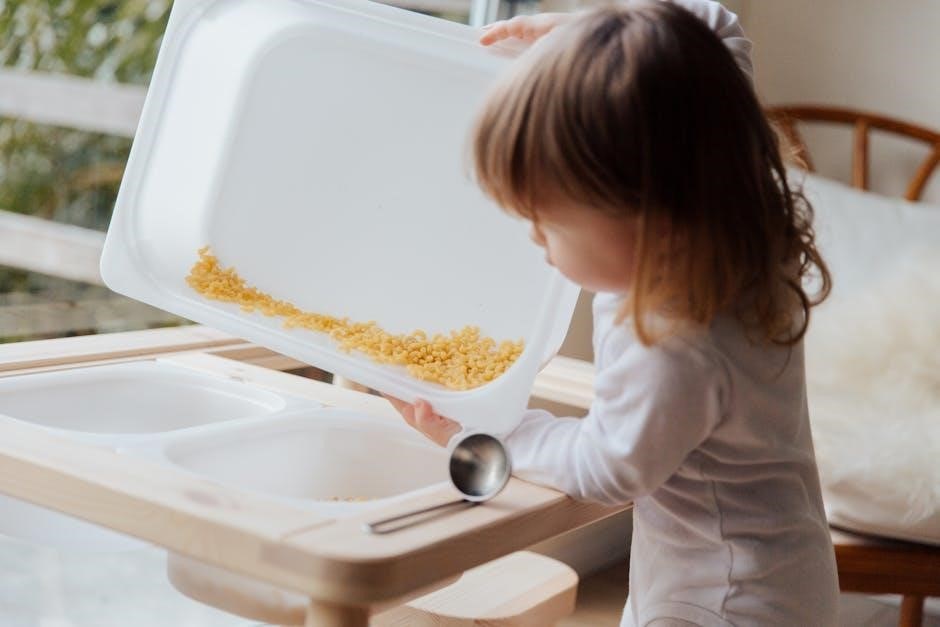
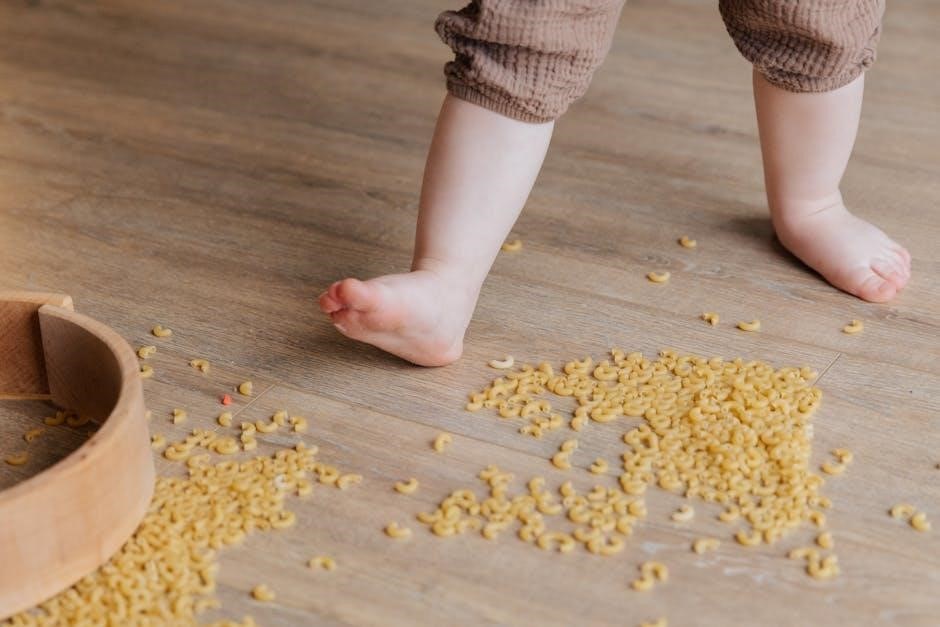
PDF Content & Activity Examples: Printable guides often include activities like playing with textured materials (sand‚ water‚ playdough)‚ finger painting‚ and tactile bins filled with rice or beans. For those avoiding touch‚ gradual desensitization activities are detailed‚ starting with light touch and progressing slowly. Conversely‚ for those seeking touch‚ more intense textures are suggested.
Safety & Considerations: PDFs emphasize the importance of respecting a child’s tactile boundaries. Never force a child to engage with a texture they dislike. Activities should be presented in a playful and non-threatening manner‚ fostering a positive relationship with tactile exploration. Always supervise to ensure safety.
Key Skills Addressed Through Sensory Integration
Sensory integration activity PDFs target crucial skills like bilateral integration‚ crossing midline‚ and balance – foundational for learning and development.
Bilateral Integration Activities
Bilateral integration‚ the ability to use both sides of the body together‚ is fundamental for numerous skills‚ particularly reading and learning. Sensory integration activity PDFs frequently include exercises designed to strengthen this crucial ability. Look for resources featuring activities like clapping games‚ drumming‚ or playing instruments – these encourage simultaneous use of both hands.
Other beneficial activities detailed in these PDFs involve stringing beads‚ cutting with scissors‚ or even simple tasks like folding laundry. These seemingly mundane actions actively promote coordination and communication between the brain’s hemispheres. Strengthening bilateral integration isn’t just about physical coordination; it directly impacts a child’s ability to focus‚ process information‚ and succeed academically. Many downloadable guides categorize activities by skill level‚ making it easy to find appropriate challenges for different developmental stages.
Crossing Midline Activities
Crossing midline – reaching across the body with an arm or leg – can be surprisingly challenging for some children. Fortunately‚ numerous sensory integration activity PDFs offer targeted exercises to improve this skill. These resources often showcase activities like drawing large figure-eights on a whiteboard‚ reaching for toys placed on the opposite side‚ or even simple actions like wiping a table from one side to the other.
PDF guides frequently suggest using visual cues or making the activity playful to encourage participation. Activities like painting on a large easel‚ playing catch‚ or threading beads across the body are also commonly featured. Developing midline crossing is vital for efficient coordination‚ reading‚ and writing‚ as it requires communication between both sides of the brain. Consistent practice‚ guided by these readily available PDFs‚ can significantly improve a child’s overall functional skills.

Balance and Postural Control Activities
Balance and postural control are foundational skills impacting a child’s ability to navigate their environment. Many sensory integration activity PDFs focus on strengthening these areas through engaging exercises. These resources often detail activities like walking on a line‚ navigating obstacle courses‚ or simply standing on one foot – gradually increasing the challenge.
PDF guides frequently include suggestions for incorporating movement into daily routines‚ such as animal walks (bear crawls‚ crab walks) or using wobble boards. Activities stimulating both the vestibular and proprioceptive systems are highlighted‚ as these systems work together to maintain balance. Strengthening core muscles is also emphasized‚ often with exercises detailed in the PDFs. Improved balance not only enhances physical abilities but also positively impacts focus and attention‚ crucial for learning and participation.

Practical Sensory Integration Activities
Explore numerous sensory integration activity PDFs offering adaptable ideas for home‚ school‚ and clinical settings‚ fostering development through play and targeted exercises.
Activities for Home Use
Transform your home into a sensory haven with readily available sensory integration activity PDFs! These downloadable resources provide simple‚ engaging activities requiring minimal materials. Think obstacle courses utilizing pillows and blankets to enhance vestibular input and proprioception. DIY playdough recipes offer tactile exploration‚ while creating “sensory bins” filled with rice‚ beans‚ or pasta provides similar benefits.
Many PDFs suggest incorporating movement breaks throughout the day – jumping jacks‚ animal walks‚ or dancing – to address proprioceptive and vestibular needs. Simple stretching exercises can also be found‚ promoting body awareness and core strength. Look for checklists within the PDFs to identify your child’s specific sensory preferences and challenges‚ tailoring activities accordingly. Remember‚ consistency is key; short‚ frequent bursts of sensory input are often more effective than lengthy sessions. These activities support cognitive and social-emotional growth alongside physical development.
Activities for Classroom Integration
Enhance learning environments with sensory integration activity PDFs designed for classroom use! These resources offer strategies to support students with sensory processing challenges‚ promoting focus and participation. Integrate movement breaks – quick stretches‚ chair yoga‚ or “brain breaks” – to address proprioceptive and vestibular needs. Many PDFs suggest incorporating flexible seating options like wobble cushions or exercise balls to allow for movement while seated.
Tactile activities‚ such as using textured materials during art projects or providing fidget tools‚ can help regulate sensory input. Look for PDFs detailing how to create “sensory corners” – designated spaces offering calming activities like coloring or building with blocks. Charter schools are increasingly utilizing movement integration‚ as highlighted in available resources. Remember to consider individual student needs and preferences when implementing these strategies‚ fostering an inclusive and supportive learning atmosphere. These activities directly impact reading skills and core strength.
Activities for Therapy Settings
Access specialized sensory integration activity PDFs tailored for therapeutic interventions! These resources provide detailed protocols for addressing specific sensory processing difficulties‚ often targeting vestibular‚ proprioceptive‚ and tactile systems. Therapy settings benefit from PDFs outlining activities to improve bilateral integration – using both sides of the body – and crossing midline‚ crucial for reading and coordination.
Many PDFs detail exercises to enhance balance and postural control‚ vital for overall development. Occupational therapy resources frequently include checklists to assess sensory behaviors‚ guiding individualized treatment plans. Activities range from complex obstacle courses to targeted exercises using specialized equipment. These PDFs emphasize a neurological approach‚ aiming to improve sensory processing on a fundamental level. Remember that these activities are best implemented under the guidance of a qualified occupational therapist‚ ensuring safety and effectiveness for each child’s unique needs.

Sensory Integration & Learning
Explore sensory integration activity PDFs linking sensory skills to academic success! Discover how targeted exercises can boost reading‚ core strength‚ and cognitive development.
Sensory Integration and Reading Skills
Reading relies heavily on bilateral integration – the ability to use both sides of the body together. Sensory integration activity PDFs often include exercises specifically targeting this skill‚ like coordinated hand movements and crossing midline activities. These activities strengthen the neural pathways crucial for visual tracking‚ a fundamental skill for reading fluency.
Furthermore‚ a strong core is essential for maintaining posture during reading‚ allowing a child to focus without physical discomfort. Many PDFs offer core-strengthening exercises integrated with sensory input. Addressing proprioceptive and vestibular needs through these activities can minimize distractions and improve attention span‚ directly impacting reading comprehension.
Look for PDFs that incorporate multi-sensory approaches‚ combining visual‚ auditory‚ and kinesthetic elements to reinforce letter recognition and phonological awareness. These resources provide practical strategies to support struggling readers by addressing underlying sensory processing challenges.
Sensory Integration and Core Strength
Core strength isn’t just about physical fitness; it’s foundational for many skills‚ including sitting upright for learning and coordinating movements. Sensory integration activity PDFs frequently feature exercises that simultaneously build core strength and provide proprioceptive input – the sense of body awareness.
Activities like animal walks‚ pushing/pulling exercises‚ and obstacle courses‚ detailed in these PDFs‚ engage core muscles while offering rich sensory experiences. These exercises directly impact fine and gross motor skills‚ improving a child’s ability to navigate their environment with ease.

Many resources emphasize the link between vestibular input (movement) and core stability. PDFs often include activities like swinging‚ spinning‚ or rolling‚ which stimulate the vestibular system and encourage automatic core engagement. Strengthening the core through sensory integration improves postural control and overall body organization.
Sensory Integration and Cognitive Development
Sensory integration activity PDFs often highlight the crucial link between sensory processing and cognitive skills. Efficient sensory processing frees up cognitive resources‚ allowing children to focus on learning and problem-solving. Activities targeting sensory systems – tactile‚ vestibular‚ proprioceptive – positively impact attention‚ memory‚ and executive functioning.
These PDFs frequently include activities that integrate movement with cognitive tasks‚ such as obstacle courses requiring sequencing or building challenges demanding spatial reasoning. Bilateral integration activities‚ readily found in these resources‚ are particularly beneficial for reading and other academic skills.
By addressing underlying sensory challenges‚ these activities can improve a child’s ability to regulate emotions‚ reduce impulsivity‚ and enhance overall cognitive performance. The resources emphasize that a well-integrated sensory system is a prerequisite for optimal learning and development.

Identifying Sensory Processing Difficulties
Utilize sensory integration activities PDFs featuring checklists to observe over- or under-reactions to stimuli‚ aiding in identifying potential processing challenges in children.
Sensory Processing Disorder Checklist (Ages 1 Month ─ 6 Years)
Comprehensive sensory integration activities PDFs often include detailed checklists designed to help parents and professionals observe a child’s sensory behaviors. These checklists break down potential difficulties into observable categories‚ specifically focusing on over-reactions and under-reactions to sensory input.
A valuable tool‚ these PDFs typically cover areas like tactile sensitivities (texture aversion)‚ auditory responsiveness (distress to loud noises)‚ vestibular preferences (avoidance of movement)‚ and proprioceptive seeking (constantly needing to touch or push). While not a diagnostic tool‚ the checklist provides a starting point for understanding a child’s unique sensory profile.
Remember‚ observing multiple behaviors across different sensory systems is key. Missing just a few indicators doesn’t necessarily signify a disorder‚ but consistent patterns warrant further evaluation by a qualified occupational therapist. These PDFs offer a structured way to document observations and facilitate informed discussions.
Over-Reactions to Sensory Input
Sensory integration activities PDFs frequently detail signs of over-reactivity‚ where a child experiences sensory input as overwhelming or aversive. This can manifest as extreme distress to loud noises‚ bright lights‚ or certain textures. Children might exhibit avoidance behaviors‚ such as refusing to wear specific clothing or participate in messy play.
PDF resources often suggest strategies to mitigate these reactions‚ including creating calming sensory environments and gradually introducing challenging stimuli. Activities focusing on deep pressure – like weighted blankets or firm hugs – are commonly recommended to help regulate the nervous system.
Understanding these over-reactions is crucial for tailoring sensory activities. PDFs emphasize the importance of respecting a child’s boundaries and providing choices to foster a sense of control. Remember‚ the goal isn’t to eliminate sensitivity‚ but to help the child learn to manage and modulate their responses effectively.
Under-Reactions to Sensory Input
Sensory integration activities PDFs also address under-reactivity‚ where a child requires significantly more sensory input to register it. This can present as a high pain tolerance‚ a constant need for movement‚ or difficulty noticing touch. Children may seem clumsy‚ unaware of their body in space‚ or constantly seek out intense sensations.
PDF resources highlight activities designed to provide increased sensory stimulation. These often include heavy work – tasks involving pushing‚ pulling‚ or lifting – to activate proprioceptive input. Vibrant colors‚ strong smells‚ and loud music can also be utilized‚ though carefully monitored.
These PDFs emphasize that under-reactivity isn’t about a lack of feeling‚ but a slower or diminished response. The aim of sensory activities is to “wake up” the nervous system and improve the child’s ability to perceive and process sensory information‚ ultimately enhancing their awareness and engagement with the world.

Resources & Further Information
Explore numerous sensory integration activity PDFs online‚ offering practical exercises and checklists. Access valuable occupational therapy resources for deeper understanding and support.
Finding Sensory Integration Activity PDFs
Locating suitable sensory integration activity PDFs is easier than you might think! A quick online search reveals a plethora of downloadable resources catering to diverse needs and age groups. Many occupational therapy websites and blogs offer free printable activity sheets‚ checklists‚ and guides.
These PDFs often categorize activities by sensory system – vestibular‚ proprioceptive‚ tactile – allowing targeted intervention. You’ll find options ranging from simple DIY projects using household items to more structured exercises. Look for resources that clearly outline the activity’s purpose‚ required materials‚ and modifications for different skill levels.
Pinterest is also a fantastic source‚ brimming with visually appealing ideas and links to downloadable PDFs. Remember to evaluate the source’s credibility and ensure the activities align with your child’s specific needs or the goals set by a therapist. Several organizations specializing in sensory processing disorder also provide downloadable materials.
Occupational Therapy Resources
Accessing professional occupational therapy (OT) resources can significantly enhance your understanding and implementation of sensory integration activities. The American Occupational Therapy Association (AOTA) website is a prime starting point‚ offering information on finding qualified OT practitioners and evidence-based practices.
Many OT clinics and individual therapists maintain websites or blogs with downloadable resources‚ including activity ideas and guides. These often go beyond simple PDFs‚ offering detailed explanations of the underlying principles and how to adapt activities for specific challenges. Look for resources that emphasize a child-centered approach and focus on building foundational skills.
Consider exploring online directories of OT professionals to connect with therapists offering virtual consultations or workshops. These experts can provide personalized recommendations and guidance on selecting appropriate activities and interpreting sensory processing profiles. Remember that a qualified OT can create a tailored sensory diet to address individual needs effectively.