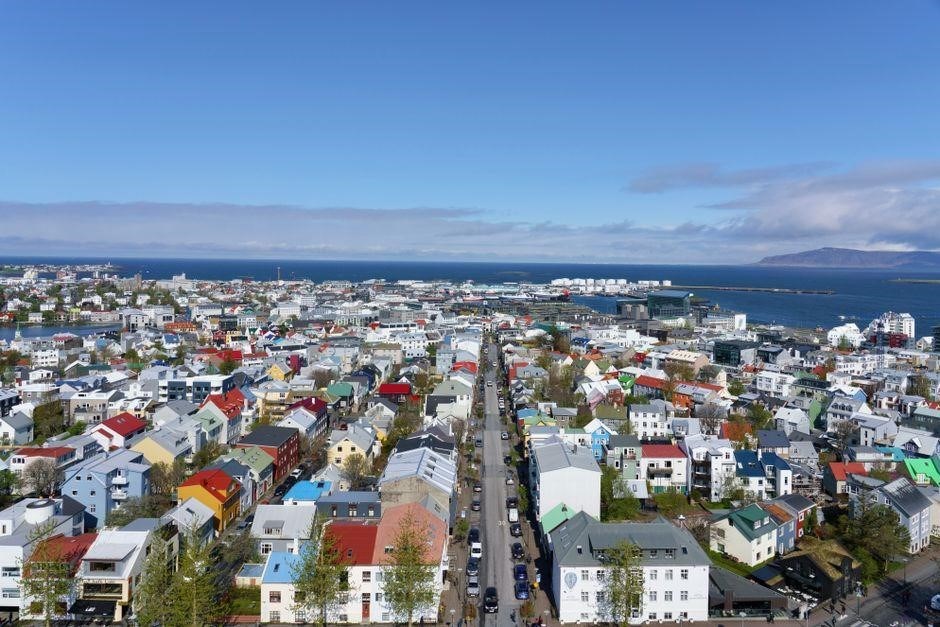
Overview of Reykjavík Self‑Guided Walking Tours
Explore Reykjavík at your own pace․ While most guides are in Icelandic, a July 10 “Reykjavík Safari” tour will be available in multiple languages․ Highlights include the City Library, Art Museum, and nearby cultural spots․ Enjoy free audio guides and interactive maps to enrich your stroll․ Great fun! Enjoy
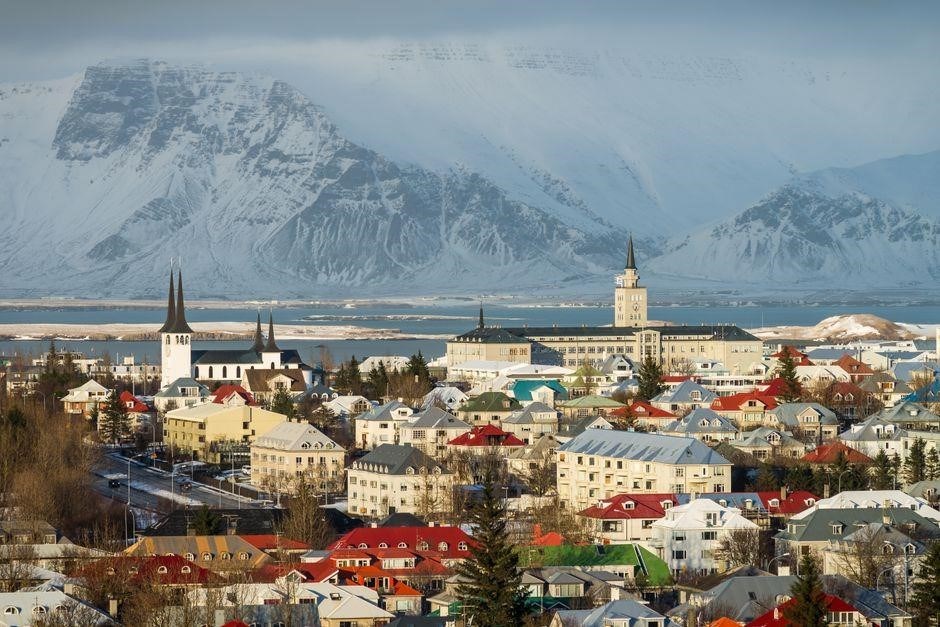
Planning Your Route
Plan your walk by mapping key streets, noting public transport stops, setting realistic time limits․ Download official Reykjavík guide PDF for free maps, or use a navigation app that offers offline mode․ Mark cafés and rest spots to keep energy high and enjoy the city’s rhythm․ Stay flexible, enjoy fun․!
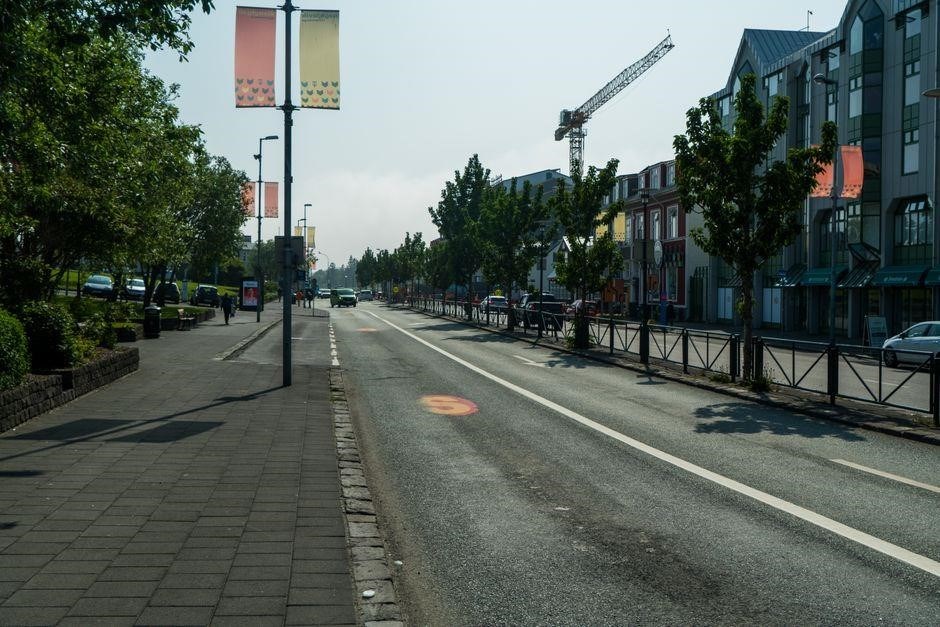
Using Official City Guides
The Reykjavík municipal office offers downloadable PDF guides that outline curated walking routes, key landmarks, and historical context; These guides are free, available in Icelandic and English, and include detailed street maps, distance markers, and suggested stops such as cafés, public art, and viewpoint spots․ They also list public transport connections and parking options, ensuring you can navigate the city without a car․ The PDF contains QR codes linking to audio commentary for each landmark, allowing you to hear stories from local historians and artists while you walk․ Additionally, the guide provides safety tips, seasonal weather advice, and recommended walking speeds, helping you pace the tour comfortably․ For those who prefer a tactile experience, printed copies can be obtained at the Reykjavík City Library or the Tourist Information Centre․ These official resources are updated annually to reflect new exhibitions, temporary installations, and changes in street layouts, so you’ll always have the most current information at hand․ To personalize your walk, use the guide’s color‑coded sections that match your interests—history, art, or food․ Mark the highlighted cafés for a quick espresso break, and note the recommended walking pace for each segment․ If you’re traveling during the summer, the guide also highlights the best sunset viewpoints along the route․ For winter, it advises on which streets are most likely to be icy and suggests alternative paths․ The guide’s QR codes can be scanned with your smartphone to access live updates, including temporary exhibitions and street closures, ensuring a smooth experience․ Moreover, the guide includes a printable checklist that lets you tick off landmarks as you visit them, turning the walk into a rewarding scavenger hunt․ It also offers a section on local folklore, explaining the stories behind famous statues and plaques․ By following the official city guide, you not only see Reykjavík’s sights but also immerse yourself in its living history, making the walk both educational and memorable․ Finally, remember that the guide is updated yearly, so check the Reykjavík city website for the latest version before you depart․ If you prefer a tactile experience, you can order a hard‑back copy from the City Library, which comes with a small booklet of local recipes and a map of street food stalls․ Enjoy your adventure!
Mobile Apps for Navigation
When wandering Reykjavík, the most convenient way to stay on track is through dedicated mobile apps․ The official Reykjavík City Guide app offers a GPS‑enabled route planner that highlights key stops such as Hallgrímskirkja, Harpa, and the Old Harbor․ Users can download pre‑loaded maps, enabling offline navigation even when cellular coverage is weak․ The app also features a “Walk the City” mode, which provides step‑by‑step audio commentary in multiple languages, including Icelandic, English, and Spanish․ Another popular choice is Google Maps, which includes detailed walking directions, real‑time traffic updates, and user‑generated photos that help you recognize landmarks before you arrive․ For a more immersive experience, Citymapper offers a walking route overlay that integrates public transport options, allowing you to switch between walking and bus routes seamlessly․ The Reykjavík Tourist App is a free download that bundles a calendar of events, a list of recommended cafés, and a QR‑code scanner that unlocks exclusive audio tours for each monument․ For those who prefer a minimalist approach, the Maps․me app provides offline vector maps and a “Points of Interest” filter, so you can focus solely on cultural sites․ All these apps are regularly updated to reflect new street closures, temporary exhibitions, and seasonal changes, ensuring that your navigation experience remains accurate and reliable․ Before you start your walk, make sure your phone’s battery is fully charged, and consider downloading a portable charger if you plan to stay out for several hours․ By leveraging these mobile tools, you can confidently explore Reykjavík’s streets, discover hidden gems, and enjoy a truly self‑guided adventure․ If you’re traveling during the winter months, the apps also provide weather overlays that show current temperature and precipitation, helping you decide whether to carry a coat or a waterproof jacket․ Some apps, like Komoot, allow you to create custom routes and share them with friends, while others, such as TripIt, compile your itinerary into a single, searchable PDF․ For those who enjoy gamified experiences, the Geocaching app turns your walk into a treasure hunt, with clues hidden near major landmarks․ Finally, always keep an eye on the app’s battery usage; enable “Low‑Power Mode” if you’re on a long walk, and use the “Save Battery” setting in the app’s preferences to extend your device’s life․ With these tools at your fingertips, you can navigate Reykjavík confidently, uncovering its history, culture, and natural beauty at your own pace․ Enjoy the journey, and let the city’s rhythm guide you․

Must‑Visit Landmarks
Explore Reykjavík’s iconic sites: Hallgrímskirkja’s towering spire, Harpa’s glass façade, the bustling Old Harbor, and the historic City Hall․ Each landmark offers unique architecture, cultural insight, and photo‑opportunities for a memorable self‑guided stroll․ Enjoy the journey! 🙂
Hallgrímskirkja Church
Hallgrímskirkja, Reykjavík’s most iconic landmark, rises 74 m above the city, its design inspired by basalt columns and Icelandic volcanic rock․ Built between 1945 and 1980, the church’s architect, Guðjón Samúelsson, blended modernist lines with traditional Icelandic motifs․ Visitors can climb the 240‑step spiral staircase to a panoramic observation deck, offering sweeping views of the capital, the surrounding fjords, and the distant mountains․ Inside, a stunning 2,000‑piano organ, crafted by the German firm Rieger, fills the nave with resonant tones during services and concerts․ The stained‑glass windows, designed by artist Ásmundur Sveinsson, depict scenes of Icelandic life, from the sagas to contemporary culture․ Hallgrímskirkja also hosts art exhibitions, film screenings, and community events, making it a cultural hub beyond its religious function․ The church’s bell tower, 74 m tall, houses a 1,000‑pound bell that rings every hour, marking the rhythm of city life․ Guided tours are available in multiple languages, and the site offers free Wi‑Fi, a café, and a gift shop with local crafts․ The church’s open doors and a sense of Icelandic heritage welcomes all with open doors and a sense of Icelandic heritage․
Lorem ipsum dolor sit amet, consectetur adipiscing elit․ Lorem ipsum dolor sit amet, consectetur adipiscing elit․ Lorem ipsum dolor sit amet, consectetur adipiscing elit․ Lorem ipsum dolor sit amet, consectetur adipiscing elit․ Lorem ipsum dolor sit amet, consectetur adipiscing elit․ Lorem ipsum dolor sit amet, con con con․
Harpa Concert Hall
Harpa, the glittering glass façade on Reykjavík’s waterfront, opened in 2011 as a cultural beacon․ Designed by Henning Larsen Architects, its 1,000‑panel geometric pattern reflects the basalt cliffs of Iceland, creating a dynamic play of light across the building’s interior․ The concert hall hosts world‑class orchestras, jazz ensembles, and local festivals, while the adjacent conference centre accommodates international summits․ Inside, the acoustics are engineered by Arup, offering a sound field that adapts to the venue’s 5,000‑seat capacity․ The lobby’s glass atrium, illuminated by LED strips, doubles as an art gallery showcasing rotating installations by Icelandic and global artists․ Harpa’s multi‑purpose spaces include a cinema, a restaurant with panoramic harbor views, and a rooftop terrace that provides a 360° panorama of the city and the sea․ The building’s sustainability features—solar panels, rainwater harvesting, and geothermal heating—align with Iceland’s green initiatives․ Guided tours, available in several languages, highlight the architectural innovation and cultural significance of the venue․ Harpa’s presence has revitalized the downtown area, drawing both locals and tourists to experience Iceland’s evolving artistic scene․ The venue’s architectural brilliance, coupled with its commitment to sustainability, makes Harpa a must‑visit for anyone seeking a blend of modern design, acoustic perfection, and cultural vibrancy, ensuring a memorable experience for every visitor․ Its architecture inspires awe, harbor views journey!
Historical Sites
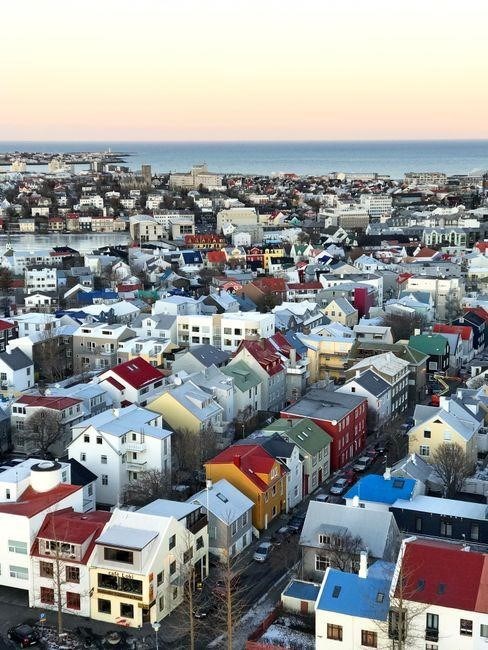
Reykjavík’s historic core blends medieval Hallgrímskirkja with the 19th‑century City Hall, showcasing the city’s evolution․ Árborg’s preserved wooden houses and the National Museum’s Viking artifacts offer a tangible link between past and present, inviting reflective strolls․
Reykjavík City Hall
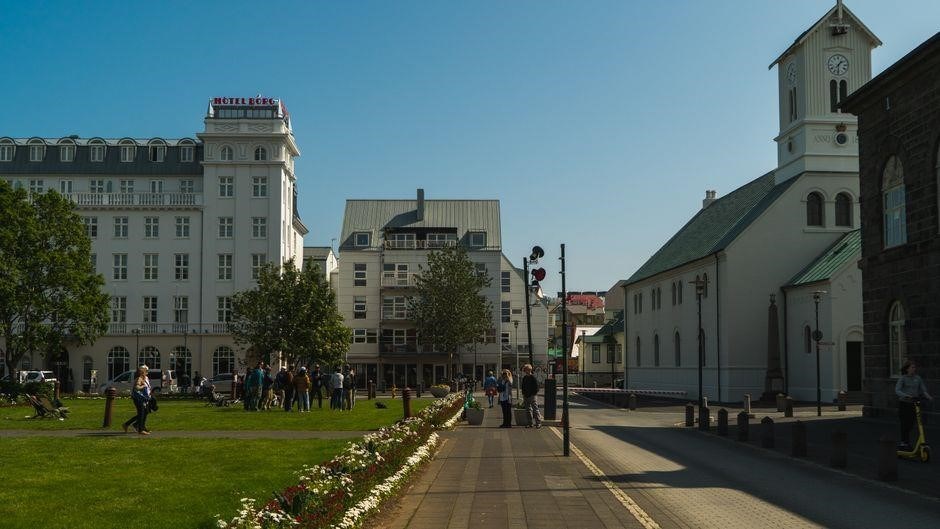
At the city’s core, Reykjavík City Hall (Ríkiðstorg) exemplifies civic pride and architectural evolution․ The present building, finished in 1995, replaced a 19th‑century municipal seat that had served for over a century․ Designed by Björnsson & Partners, the new hall blends modernist lines with traditional Icelandic motifs, featuring a glass façade that mirrors the harbor and the iconic Hallgrímskirkja church․
Inside, the mayor’s office, council chambers, and a public gallery showcase local art․ The oak paneling and vaulted ceiling of the council chamber echo the historic interior of the former building, preserving continuity․ The open public spaces allow visitors to witness city governance in action․ Council meetings are open to the public, and the visitor centre offers guided tours explaining Reykjavík’s administrative history from its 1786 founding to today’s modern metropolis․
Self‑guided walkers find informational plaques along the steps with concise historical context, while QR codes link to multilingual audio guides․ Its proximity to the old harbor and the National Gallery makes it a convenient stop on a broader walking tour, providing cultural enrichment and insight into the capital’s daily operations․
Beyond its administrative functions, the hall hosts community events, including annual cultural festivals and public debates that reflect Iceland’s democratic traditions․ The surrounding plaza, paved with basalt stones, offers a quiet place for reflection, while nearby cafés provide a taste of local cuisine․ Visitors often combine a tour of the hall with a stroll along Laugavegur, the city’s main shopping street, to experience Reykjavík’s vibrant street life today, everywhere․
Ármannsdóttir Museum
The Ármannsdóttir Museum, in the Old Harbour, showcases Iceland’s maritime past and the legacy of philanthropist Ásgrímur Ármannsdóttir․ Housed in a restored 1880s warehouse, the building blends timber framing with exposed brick, reflecting historic charm․
Exhibits feature nautical artifacts: wooden anchors, navigational tools, and dioramas of fishing vessels․ A dedicated section traces the evolution of Icelandic fishing from cod‑catching fleets to modern trawlers, highlighting economic and cultural impacts․
Ásgrímur’s story is highlighted through photographs, letters, and personal belongings, illustrating her support for fishermen’s families, schools, and local arts․ The museum’s central hall displays a life‑size portrait of Ásgrímur and quotes emphasizing community resilience․
QR codes beside key exhibits link to multilingual audio guides․ A rooftop terrace offers harbor views, allowing visitors to reflect on maritime heritage while enjoying the Atlantic breeze․
Adjacent café serves Icelandic pastries, making it an ideal break before continuing the walking tour․
Visitors can also explore the museum’s interactive digital map, which traces the routes of historic fishing expeditions and showcases the evolution of maritime technology․ The museum hosts rotating exhibitions on contemporary sea‑related art and offers workshops on traditional boat‑building techniques, making it a dynamic destination for both history buffs and creative minds․ Visitors can also join talks on folklore
Art and Cultural Centers
Reykjavík’s art scene thrives in venues like the Reykjavík Art Museum, showcasing contemporary Icelandic works, and the National Gallery, home to classic and modern pieces․ These centers offer free guided audio tours, exhibitions, and workshops for visitors․ See more․!!
Reykjavík Art Museum
Located in the historic old harbor, the Reykjavík Art Museum (RAM) is a cornerstone of the city’s cultural landscape․ Its three branches—RAM 1, RAM 2, and RAM 3—collectively showcase Icelandic art from the 19th century to contemporary works․ Visitors can explore permanent collections featuring painters such as Jóhannes Kjarval and contemporary artists like Björk’s visual collaborators․ The museum offers free self‑guided audio tours in multiple languages, allowing walkers to delve into the stories behind each piece at their own pace․ Interactive displays explain the evolution of Icelandic art, while temporary exhibitions rotate quarterly, highlighting both local talent and international collaborations․ The museum’s architecture blends modern design with historic maritime elements, creating a welcoming environment for all ages․ Accessibility features include wheelchair ramps, wheelchair ramps, tactile guides for the visually impaired, and multilingual signage․ Opening hours are Tuesday to Sunday, 10 a․m․ to 6 p․m․, with a brief closure on Mondays for maintenance․ Admission is free, though donations are appreciated․ The museum’s café, overlooking the harbor, offers a quiet spot to reflect on the art and the city’s vibrant culture․ Whether you’re a seasoned art enthusiast or a casual tourist, the Reykjavík Art Museum provides an engaging, self‑guided experience that enriches any walking tour of the capital․ A free audio guide is available in Icelandic, English, and German, ensuring accessibility for all visitors today․!!
National Gallery of Iceland
The National Gallery of Iceland (Þjóðgalfinnur) is Reykjavík’s premier art institution, founded in 1919․ It houses a diverse collection from 19th‑century Romanticism to contemporary works, featuring Icelandic masters like Ásgrímur Jónsson and Einar Jónsson, as well as international pieces that place Icelandic art in a global context․ The gallery’s layout encourages self‑guided exploration: multilingual signage, interactive touchscreens, and free audio guides in Icelandic, English, and German provide context and background for each work․ Rotating exhibitions spotlight emerging talent, while permanent displays trace the evolution of Icelandic visual culture․ Accessibility features include wheelchair‑friendly pathways, Braille labels, and audio descriptions․ Opening hours are Tuesday to Sunday, 10 a․m․ to 6 p․m․; admission is free, with donations welcomed․ A café on the second floor offers light fare and a panoramic view of the city, ideal for reflecting on the art․ The building, a former 19th‑century warehouse, has been restored with modern sustainability measures such as solar panels and rainwater harvesting․ A rooftop terrace provides a quiet spot to enjoy Icelandic coffee while overlooking the harbor․ The gallery also offers free workshops and lectures for students and families, and a digital archive lets visitors view high‑resolution images online․ Visitors can also participate in guided group tours available on select days, which provide deeper insights into specific themes such as Icelandic folklore or contemporary sculpture and today․ All in all, the National Gallery of Iceland delivers a comprehensive, self‑guided cultural experience that blends history, creativity, and modernity․
Street Art and Murals
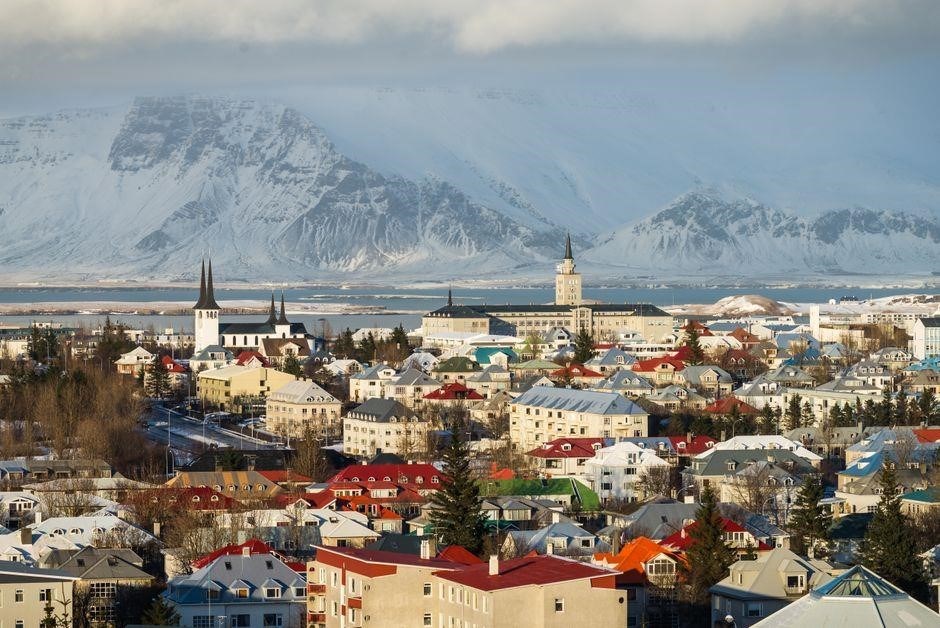
Reykjavík’s streets buzz with color․ The Observatory Street Murals showcase vibrant abstracts, while the Old Harbor Murals celebrate maritime heritage․ Walk the old harbor, follow the map, and discover hidden gems that blend history with contemporary expression in daylight․!
Observatory Street Murals
The Observatory Street Murals, located along the historic Observatory Avenue, form a vibrant tapestry that blends Icelandic folklore with contemporary urban expression․ These large‑scale works were commissioned in 2018 as part of the city’s cultural revitalization program, and they feature a mix of abstract patterns, mythic creatures, and symbolic motifs that reflect the nation’s relationship with the sky and sea․
Artists from across Iceland, including renowned muralist Eriksson and emerging talent Ásdís, collaborated to create a series that invites viewers to interpret the interplay between light, weather, and narrative․ The murals incorporate reflective pigments that change hue with the angle of the sun, offering a dynamic experience for walkers at different times of day․
- Key Themes: celestial navigation, resilience, cultural heritage․
- Interactive Feature: QR codes embedded in the artwork provide audio commentary and historical context in multiple languages, making the tour accessible to international visitors․
- Accessibility: The route is fully wheelchair‑accessible, with smooth pavement and clear signage․
For a self‑guided exploration, download the official Reykjavík walking‑tour app or use a printed map that highlights the murals’ exact coordinates; The app offers step‑by‑step directions, photo overlays, and a “mood” filter that lets you see the murals as they would appear at sunrise, midday, or sunset․
Whether you’re a seasoned art enthusiast or a casual stroller, the Observatory Street Murals provide a compelling snapshot of Reykjavík’s evolving artistic landscape, all within a short, easy walk from the city center․ These murals invite visitors to pause, reflect, and engage with the city’s evolving narrative, turning a simple walk into an immersive cultural experience․ experience․!!!!!
Old Harbor Murals
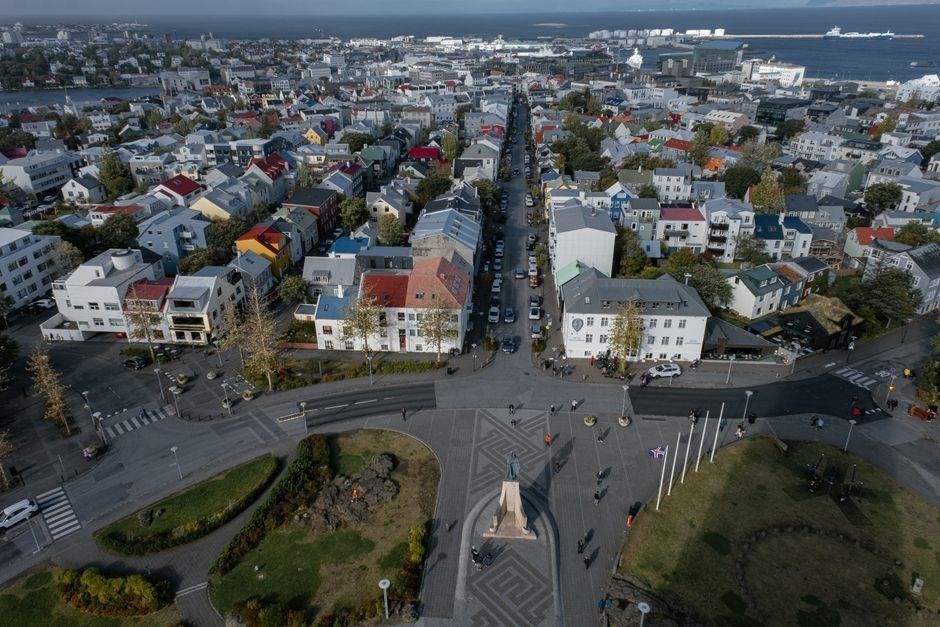
The Old Harbor Murals, located along the waterfront, honor Reykjavík’s maritime past with vivid panels that depict fishing, exploration, and community life․ Jónsson and Helga blend traditional motifs with modern street‑art techniques․
Each mural features a QR code that opens a multilingual audio guide detailing history, artistic process, and embedded stories․ The guide is available in Icelandic, English, Spanish, and German, and includes a virtual “time‑travel” mode to view the harbor’s evolution from the 19th century to today․
- Location: 3rd Street, Old Harbor District, near the Maritime Museum
- Accessibility: Fully wheelchair‑accessible route with smooth pavement and clear signage․
- Artistic Themes: resilience, community, sea’s ever‑changing nature․
- Seasonal Highlights: Murals glow with reflective pigments that shift color with light, offering new visual experiences at dawn, noon, and dusk․
For a self‑guided stroll, download the official Reykjavík walking‑tour app․ It provides step‑by‑step directions, photo overlays, and a “mood” filter to view murals at different times of day․ The app also includes a “share” feature, letting visitors post favorite shots on social media, extending the city’s artistic narrative․ This immersive experience turns a simple walk along the harbor into a cultural journey that honors Reykjavík’s maritime legacy while showcasing contemporary art․ Enjoy the vibrant colors, engaging stories, and sense of place that the Old Harbor Murals bring to the waterfront