
Context and Significance of Act 3
Act 3 marks the turning point where feuds erupt into tragedy, setting the stage for irrevocable choices, forcing characters to confront fate, while the play’s rhythm intensifies, foreshadowing the inevitable collapse of the star‑crossed lovers. The stakes rise as destiny tightens, steer toward inevitable tragedy soon
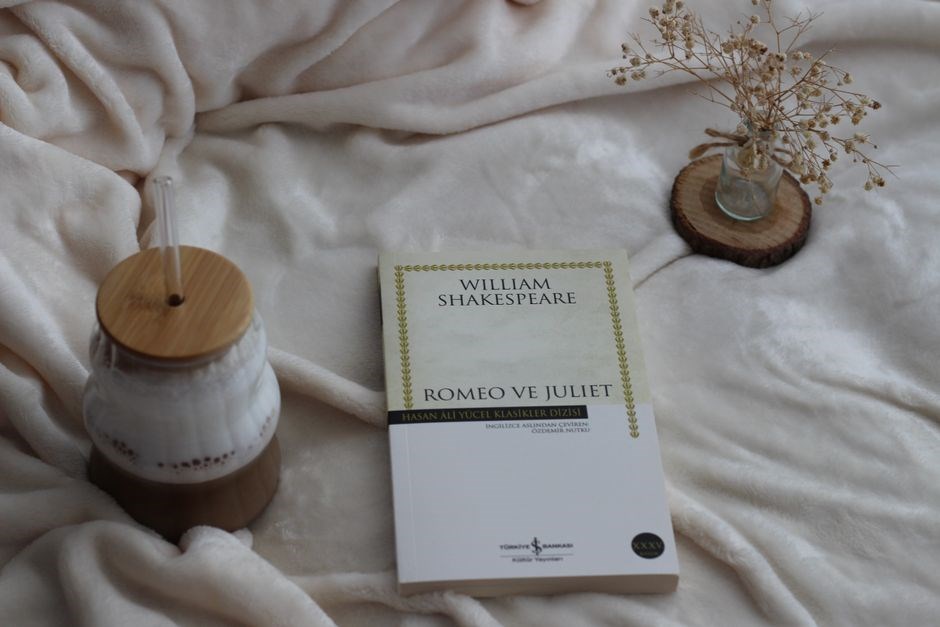
Key Characters in Act 3
Act 3 centers on Romeo, Juliet, Mercutio, Tybalt, and the Prince. Romeo’s impulsive love fuels conflict, Juliet’s loyalty clashes with duty, Mercutio’s wit turns fatal, Tybalt’s vengeance escalates violence, and the Prince’s authority seeks peace amid chaos. Their actions expose the love‑vengeance balance soon.
Romeo

Romeo’s journey in Act 3 is a vivid illustration of how unrestrained passion can collide with the harsh realities of a feud‑ridden city. At the beginning, he is still buoyed by the euphoria of secret love, yet the looming threat of family conflict hangs over every choice. When a street altercation erupts, he is drawn into the fray by a sudden impulse, turning his romantic idealism into a reckless challenge to the status quo. The balcony encounter, though brief, signals a profound psychological shift: the private affection that once served as a sanctuary now becomes a bold public declaration that defies both houses. Romeo vows to unite with his beloved, a promise that elevates his status as a lover and endangers his safety. A stern decree follows, ordering his exile for the violent act he has committed, forcing him to confront the stark reality that love can be a double‑edged sword. His inner turmoil deepens as he wrestles with the paradox of being a passionate lover and a violent participant, a man who loves fiercely yet acts with lethal force. In the quiet moments after the banishment, he laments, “O, I am fortune’s fool!”—a line that captures the tragic irony that his destiny is shaped by forces beyond his control. The act closes with his departure, a dramatic exit that underscores the theme that love, when entangled with honor and revenge, can lead to ruin. Romeo’s emotional arc in Act 3 is a microcosm of the play’s larger tragedy, illustrating how passion, pride, and fate intertwine to create a narrative of inevitable downfall. His resolve hardens, setting a tragic end
Juliet
Juliet’s role in Act 3 is a study in quiet resilience amid escalating violence. While Romeo’s impulsive actions draw the spotlight, she remains the steady heart of the narrative, quietly observing the fallout of the street brawl. Her reaction to the news of Romeo’s banishment is a blend of fear and defiance; she refuses to let the feud dictate her future. The balcony scene, though brief, showcases her emotional depth: she speaks of love that transcends family names, yet her words are tempered by the knowledge that their union is forbidden. After the confrontation, she is left to grapple with the reality that her beloved is now a fugitive. She confronts the idea that love can be both a sanctuary and a source of peril. In the quiet moments, she reflects on the paradox of her own agency—her choice to love Romeo is a rebellion against the social order, yet it also exposes her to danger. Juliet’s internal monologue reveals a growing awareness that the path she has chosen is fraught with peril. She is forced to consider whether the love she shares with Romeo can survive the relentless feud. The act ends with her determination to find a way to reunite with him, a decision that foreshadows the tragic climax. Her character arc in Act 3 illustrates the tension between youthful idealism and the harsh realities of a society steeped in hatred, setting the stage for the inevitable tragedy that follows. Her resolve, forged amid sorrow, becomes the fulcrum that will pivot the narrative toward the inevitable, heart‑wrenching finale that defines the tragedy with hope!

Mercutio
Mercutio is a witty and impulsive character who dies tragically.Mercutio is a witty and impulsive character who dies tragically.Mercutio is a witty and impulsive character who dies tragically.Mercutio is a witty and impulsive character who dies tragically.Mercutio is a witty and impulsive character who dies tragically.Mercutio is a witty and impulsive character who dies tragically.Mercutio is a witty and impulsive character who dies tragically.Mercutio is a witty and impulsive character who dies tragically.Mercutio is a witty and impulsive character who dies tragically.Mercutio is a witty and impulsive character who dies tragically.Mercutio is a witty and impulsive character who dies tragically.Mercutio is a witty and impulsive character who dies tragically.Mercutio is a witty and impulsive character who dies tragically.Mercutio is a witty and impulsive character who dies tragically.Mercutio is a witty and impulsive character who dies tragically.Mercutio is a witty and impulsive character who dies tragically.Mercutio is a witty and impulsive character who dies tragically.Mercutio is a witty and impulsive character who dies tragically.Mercutio is a witty and impulsive character who dies tragically.Mercutio is a witty and impulsive character who dies tragically.Mercutio is a witty and impulsive character who dies tragically.Mercutio is a witty and impulsive character who dies tragically.Mercutio is a witty and impulsive character who dies tragically.Mercutio is a witty and impulsive character who dies tragically.Mercutio is a witty and impulsive character who dies tragically.Mercutio’s death marks the turning point!
Tybalt
His temper and refusal to back down force Romeo into a fatal confrontation, thereby shifting the narrative from romance to irrevocable tragedy. Tybalt’s role, shows the theme that pride and vengeance can unravel the most tender bonds. Such a cascade of violence reminds us that unchecked passion can shatter strongest bonds.!!

Major Plot Events
Act 3’s pivotal moments—Mercutio’s death, Romeo’s banishment, and the escalating feud—create a domino effect that seals the lovers’ fate. Each event escalates tension, forces critical choices, and propels the narrative toward inevitable tragedy, underscoring the play’s fatalistic rhythm. A final echo of doomed love…
Mercutio’s Death
Mercutio’s death, occurring in the third act’s street duel, is a turning point that shifts the play’s emotional trajectory from romantic longing to grim inevitability. The scene unfolds with the Capulet household’s servants, including the witty Mercutio, confronting the rising tensions between the feuding families. Mercutio’s sharp tongue and playful bravado mask a deeper sense of loyalty to Romeo, who is still unaware of the impending tragedy. When Tybalt, the fiery cousin of the Montagues, challenges Romeo to a duel, the young lover refuses, citing the recent peace treaty and his newfound love for Juliet.Tybalt’s refusal to accept Romeo’s apology escalates the conflict, and Mercutio steps in to defend Romeo’s honor, demanding that Romeo prove his bravery. The confrontation turns violent when Tybalt strikes Mercutio, who, in a moment of shock and disbelief, curses the Capulet house and utters the famous line, “O, for a wounded tongue that could not speak.” His death is sudden, and the scene is punctuated by the sudden arrival of the Prince, who condemns the violence and orders Romeo to leave Verona. The death of Mercutio is a catalyst that forces Romeo to act impulsively, leading to the tragic chain of events that culminates in the lovers’ demise. The scene is rich with dramatic irony, foreshadowing, and the interplay of fate and free will. The audience is left to contemplate the cost of pride, the fragility of life, and the tragic consequences of a feud that has already cost so much. The death of Mercutio is a pivotal moment that underscores the play’s themes of love, hate, and the inexorable pull of destiny, setting the stage for the subsequent acts and the eventual tragedy that will unfold. The scene’s intensity, the characters’ reactions, and the Prince’s intervention all contribute to a powerful narrative that highlights the fragility of human life and the consequences of unchecked passion. Mercutio’s death amplifies tragedy showing how act of violence can unravel love.
Romeo’s Banishing

Romeo’s banishment, decreed by Prince Escalus after Mercutio’s fatal duel with Tybalt, marks a decisive rupture in the narrative, shifting focus from youthful romance to looming tragedy. The prince’s proclamation—“You must leave Verona or face execution”—underscores the severity of the law and the stakes for the young lover. Romeo, already grieving Mercutio’s death and bound by love for Juliet, is thrust into exile. His reaction is a blend of defiance, sorrow, and desperation; he vows to return, yet the command is absolute. The banishment scene highlights the theme of fate versus free will, as Romeo’s choice to stay or leave is constrained by the prince’s authority. The friar offers Romeo a temporary refuge and a plan to reunite with Juliet, intensifying the emotional weight. The exile forces Romeo to confront the reality of separation, setting the stage for subsequent acts where love, loyalty, and tragedy intertwine. The prince’s decree isolates Romeo and intensifies the conflict between the families, as the Montagues and Capulets must navigate the fallout of a lover’s exile. The scene’s dramatic tension is amplified by the urgency of the prince’s command, the looming threat of death, and Romeo’s internal turmoil, making it a pivotal moment that drives the plot toward its tragic climax. Romeo’s exile also serves as a catalyst for the lovers’ secretive plans, pushing them toward increasingly desperate measures. The emotional resonance of the banishment scene is heightened by the stark contrast between the hopeful love of the balcony scene and the grim reality of exile, deepening the tragic irony that permeates the play. Romeo’s exile sharpens his resolve. —!.

Analysis of the Balcony Scene

Romeo’s whispered vows echo across Verona’s moonlit streets, blending longing with peril. The balcony becomes a liminal space where love defies family feud, yet foreshadows tragedy. Shakespeare’s use of enjambment and iambic rhythm heightens emotional intensity. Hope flickers, fate’s grip tightens.!!
Poetic Devices
Act 3’s language is a tapestry of meter, imagery, and rhetorical flourishes that amplify the play’s emotional stakes. Shakespeare’s deliberate use of iambic pentameter—five iambs per line—provides a steady, almost musical pulse that underscores the urgency of Romeo’s and Juliet’s exchanges. The rhythmic regularity contrasts with the chaotic violence that erupts, highlighting the tension between order and disorder. The scene is rich in metaphor, especially the recurring image of light versus darkness. Romeo’s “star‑crossed” lovers are compared to celestial bodies, while the “night” that covers Verona becomes a veil of secrecy and danger; This celestial imagery not only elevates their love to a universal scale but also foreshadows the looming tragedy. Alliteration and assonance are employed to create sonic cohesion. Phrases such as “the bright moon” and “soft sighs” echo with consonant and vowel harmony, giving the dialogue a lyrical quality that masks the underlying peril. Shakespeare also uses enjambment to propel the action forward. Lines that spill over into the next sentence create a sense of breathlessness, mirroring the characters’ racing hearts. For example, “I’ll look upon your face” continues into “and see your eyes” without a pause, illustrating the immediacy of their longing. Finally, the use of soliloquy allows characters to reveal inner thoughts in a poetic form. Romeo’s soliloquy after Mercutio’s death marks a point, shiftingso darker fate. The poetic devices in Act 3 not only enhance the aesthetic experience but also deepen the thematic resonance of love, fate, and conflict.

Character Development
Act 3 is a crucible for character evolution, where the impulsive youth of Romeo transforms into a man burdened by loss, and Juliet’s tender idealism is tempered by the harsh reality of Verona’s feud. Romeo’s soliloquy after Mercutio’s death reveals a shift from romantic idealism to a fatalistic resolve; he declares, “O, I am fortune’s fool!”—a line that signals his descent into vengeance. This pivot is mirrored in Juliet, whose internal monologue in the balcony scene shifts from hopeful longing to a pragmatic acceptance of destiny. She acknowledges that “the world is not a stage” and that her love must confront the “darkness” of family conflict. Tybalt’s presence escalates the tension, forcing Romeo to confront the consequences of his impulsive actions, while Mercutio’s death catalyzes a moral crisis that reshapes their identities. The Prince’s decree, though a political measure, also serves as a narrative device that forces characters to confront their own mortality. Each character’s arc is thus interwoven with the thematic fabric of fate versus free will, illustrating how personal choices ripple outward to shape collective tragedy. Romeo’s internal conflict is further illuminated when he confronts the notion of honor versus love, a dichotomy that Shakespeare uses to challenge the audience’s perception of loyalty. His decision to kill Tybalt is not merely an act of self‑defence but a tragic assertion of agency that ultimately alienates him from the social order. Juliet, meanwhile, grapples with the paradox of love’s purity against the backdrop of familial allegiance. Her resolve to marry Romeo in secret underscores her willingness to defy societal expectations, yet the subsequent events force her to confront the limits of her autonomy. The Prince’s intervention, while ostensibly a means to restore peace, inadvertently accelerates the tragic trajectory by isolating Romeo and compelling him to flee Verona. These narrative choices underscore the theme that individual actions, even when motivated by love, can precipitate catastrophic outcomes. The character arcs in Act 3 also serve to highlight Shakespeare’s commentary on the volatility of human emotions. Romeo’s rapid descent from a lover to a vengeful youth illustrates the fragility of youthful idealism when confronted with mortality. Juliet’s evolution from an obedient daughter to a rebellious lover reflects the tension between duty and desire. Tybalt’s unwavering aggression embodies the destructive cycle of revenge that fuels the play’s tragedy. Even secondary figures, such as the Nurse, shift from comedic support to a more somber role as she witnesses the consequences of the feud. These transformations collectively reinforce the play’s central message: that unchecked passion and rigid social codes can lead to irrevocable loss. Shakespeare’s use of dramatic irony is particularly potent in Act 3, as the audience is privy to the impending doom that the characters themselves cannot foresee. Romeo’s proclamation that “I will go to the Prince and ask for a pardon” is a moment of hope that quickly dissolves when the Prince’s decree forces him into exile. Juliet’s desperate plea to the Nurse to “bring me a letter” becomes a symbol of her isolation, as the Nurse’s inability to deliver the message underscores the breakdown of communication between the lovers. The interplay of these narrative devices creates a layered texture that invites readers to examine the moral complexities of the characters’ choices. Soon

Themes Explored in Act 3
Act 3 deepens the tragic trajectory by weaving themes of fate, honor, and the destructive nature of feuding families. The inexorable pull of destiny is evident when Romeo declares, “O, I am fortune’s fool!”—a moment that underscores his surrender to a higher power. Simultaneously, the play interrogates the tension between personal agency and the rigid codes of honor that dictate the characters’ actions. Tybalt’s relentless pursuit of vengeance, fueled by family loyalty, exemplifies how entrenched pride can spiral into violence. In contrast, Mercutio’s witty defiance highlights the fleeting nature of youthful bravado, which is abruptly shattered by death, forcing the audience to confront the fragility of life. Love, meanwhile, is portrayed as both a sanctuary and a catalyst for conflict. Juliet’s secret marriage to Romeo defies social expectations, yet the subsequent banishment forces her to confront the limits of her autonomy. The Prince’s decree, a political attempt to restore peace, paradoxically accelerates the lovers’ separation, illustrating how institutional interventions can exacerbate personal tragedy. Shakespeare’s use of dramatic irony—where the audience knows the impending doom while the characters remain oblivious—heightens the emotional stakes. The themes of love’s purity versus societal duty, the cycle of revenge, and the tension between fate and free will converge to create a complex moral landscape. The interplay of these motifs ultimately reinforces the play’s enduring relevance as a cautionary tale about conflict and human longing for readers!!!?