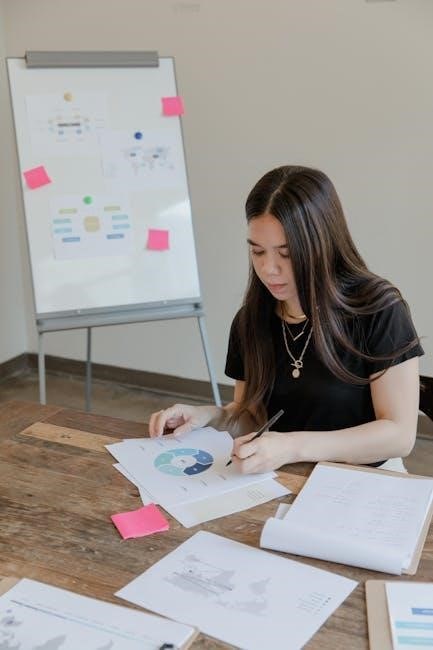
Figurative Language Anchor Chart PDF: A Comprehensive Plan
Creating a detailed PDF anchor chart is vital for teaching figurative language effectively, offering a visual guide for students of varying cognitive levels.
These charts illustrate how words deviate from their literal meanings, using examples like “heart of gold” or “strong as an ox” to enhance comprehension.
Interactive activities, such as group sorting and sentence analysis, further solidify understanding, while a T-chart layout aids in comparing literary devices.
What is Figurative Language?
Figurative language transcends literal interpretations, employing words or expressions with a meaning that differs from their conventional definition. It’s a cornerstone of impactful communication, enriching writing and speech with layers of nuance and creativity.
Essentially, it’s saying something without saying it directly, relying on comparisons, exaggerations, or imaginative associations to convey a deeper message. Anchor charts visually demonstrate this concept, illustrating that figurative language isn’t about incorrect usage, but rather a deliberate stylistic choice.
Examples, such as metaphors and similes, showcase how language can paint vivid pictures and evoke emotions. Understanding this distinction – the gap between literal and figurative meaning – is fundamental for students, and a well-designed anchor chart serves as a constant reminder of this core principle.
It’s about unlocking a richer understanding of language itself.

The Importance of Anchor Charts for Figurative Language
Anchor charts are invaluable tools for demystifying figurative language, particularly for younger learners who may find the concepts abstract and challenging. They provide a consistent visual reference, reinforcing key definitions and examples throughout a unit of study.
A well-crafted chart isn’t merely decorative; it’s a dynamic learning aid. It serves as a shared cognitive space, collaboratively built and revisited, fostering a deeper understanding of literary devices.
These charts promote concept clarity, allowing students to independently access information and apply their knowledge. Furthermore, they support differentiated instruction, catering to diverse learning styles through visual cues and concise explanations. The PDF format ensures accessibility and easy replication for student use.
They are essential for literacy skill development.
Basic Principles for Anchor Chart Design
Effective anchor chart design prioritizes clarity and conciseness. Utilize a clean layout with legible fonts and strategic use of color to highlight key information. Space for additions, like sticky notes for examples, is crucial for interactive learning and expanding the chart throughout a unit.
Simplicity is key; avoid overcrowding the chart with excessive text or visuals. Focus on core concepts and definitions. Laminating the chart ensures durability and allows for repeated use with dry-erase markers.
Consider the age and cognitive level of your students when determining the complexity of the design; A T-chart layout is particularly effective for comparing and contrasting different types of figurative language, such as similes and metaphors.
Accessibility is paramount when creating a PDF version.
Defining Figurative Language for Students
Introducing figurative language requires establishing a clear distinction between literal and figurative meanings. Explain that figurative language moves beyond the dictionary definition of words, employing them in creative and imaginative ways to convey deeper meaning.

Anchor charts should visually illustrate this concept, perhaps with a simple example showing a literal statement alongside its figurative counterpart. Emphasize that figurative language isn’t about incorrect usage, but rather a deliberate choice to enhance expression.
For younger learners, this can be abstract, so concrete examples are essential. Start with easily relatable phrases like “raining cats and dogs” and discuss what that actually means versus its literal interpretation. Building this foundational understanding is crucial before exploring specific types.

Literal vs. Figurative Meaning
A key component of defining figurative language is contrasting it with literal meaning. An anchor chart dedicated to this distinction should clearly demonstrate the difference. Literal language means exactly what it says – a straightforward, factual statement. For example, “The sun is bright” is literal.
Figurative language, however, uses figures of speech to create imagery or express ideas in a non-literal way. “The sun smiled down on us” is figurative; the sun cannot literally smile.

Visually, the chart could have two columns: “Literal” and “Figurative,” with corresponding examples. This side-by-side comparison helps students grasp the concept. Reinforce that understanding figurative language requires interpreting the intended meaning beyond the surface level.
Types of Figurative Language to Include
A comprehensive figurative language anchor chart should introduce several key types. While the specific selection depends on grade level, common inclusions are simile, metaphor, and personification. These form a strong foundation for understanding more complex devices later.
Consider adding hyperbole, alliteration, and idioms as students progress. Each type deserves its own section on the chart, with a clear definition and illustrative examples.
Prioritize clarity and conciseness. The chart isn’t meant to be exhaustive, but rather a readily accessible reference point. Grouping similar devices (like comparative language – simile & metaphor) can also enhance understanding and retention.
Simile: Definition and Examples
A simile is a figure of speech that directly compares two unlike things, using the words “like” or “as.” Your anchor chart should clearly state this definition. Emphasize that similes create a vivid image by highlighting a shared characteristic between the two things being compared.
Provide several examples on the chart, such as “strong as an ox,” “brave like a lion,” or “runs like the wind.” Encourage students to identify what is being compared and how they are similar.
Visually distinguish similes from other devices – perhaps with a specific color coding or icon. Include space for students to add their own simile examples, fostering active participation and deeper understanding.
Metaphor: Definition and Examples
A metaphor is a figure of speech that implies a comparison between two unlike things without using “like” or “as.” Explain on your anchor chart that a metaphor states something is something else, to suggest a resemblance or shared quality. It’s a more direct, yet implied, comparison than a simile.
Illustrate with examples like “a heart of gold,” “the world is a stage,” or “time is a thief.” Discuss how these statements aren’t literally true, but convey a deeper meaning.

Visually differentiate metaphors from similes on the chart – perhaps using a different color or symbol. Include a section where students can brainstorm and contribute their own original metaphors, reinforcing their grasp of the concept.
Personification: Definition and Examples
Personification is giving human qualities or characteristics to inanimate objects, animals, or abstract ideas. Your anchor chart should clearly define this, emphasizing that it’s about making the non-human seem human-like.
Provide examples such as “the wind whispered,” “the sun smiled,” or “time marched on.” Discuss how these examples attribute human actions or feelings to things that can’t actually experience them.
Visually, consider an image on the chart depicting an object with human features; Encourage students to identify the human quality being assigned. Include space for students to add their own personification examples, fostering creative application of the concept.
Creating a Simile & Metaphor Anchor Chart
A dedicated anchor chart for similes and metaphors is crucial for visual learners. Consider including personification alongside these, as they all involve comparison, though adjust based on grade level.
The core of this chart should be a clear T-chart. One side is labeled “Simile” with its definition – a comparison using “like” or “as.” The other side is “Metaphor,” defined as a direct comparison stating something is something else.
Crucially, laminate the chart and leave ample space for sticky notes. This allows for interactive example sorting. Students can write examples on sticky notes and collaboratively place them in the correct column, reinforcing their understanding through active participation.
T-Chart Layout for Comparison
Employing a T-chart is a highly effective method for visually contrasting similes and metaphors. This simple layout provides a clear, organized space to delineate the key characteristics of each figurative language device.

The left column should be distinctly labeled “Simile,” accompanied by a concise definition emphasizing the use of comparative words like “like” or “as.” The right column is dedicated to “Metaphor,” defining it as a direct comparison, asserting equivalence without using those words.
This side-by-side presentation immediately highlights the difference. The T-chart’s structure facilitates quick comprehension and serves as a valuable reference point during activities and assessments. It’s a foundational element for a successful anchor chart.
Using Sticky Notes for Examples

Incorporating sticky notes into your anchor chart is a dynamic and interactive teaching strategy. Laminating the base T-chart (or similar layout) allows for reusable examples, fostering student engagement and collaborative learning.
Students can actively participate by writing examples of similes and metaphors on individual sticky notes. These notes are then sorted and affixed to the appropriate column on the chart, creating a collective understanding.
This method encourages critical thinking as students analyze sentences and categorize figurative language. The flexibility of sticky notes also allows for easy correction and addition of new examples throughout the unit, expanding the chart’s utility.
Interactive Anchor Chart Activities
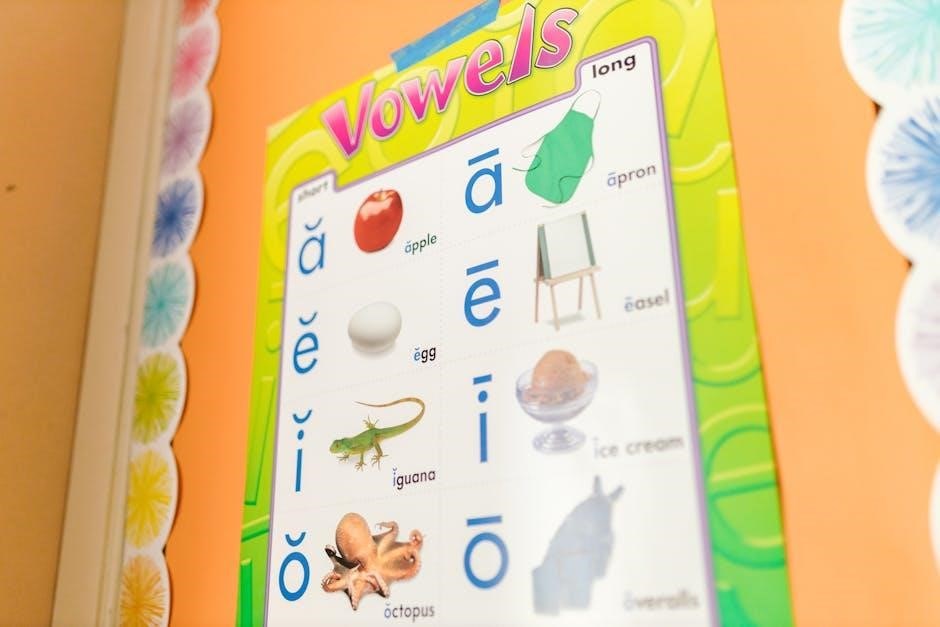
Transforming the anchor chart into an interactive learning center boosts student engagement and solidifies understanding of figurative language. Group work is central to this approach, dividing students into small teams to analyze and categorize examples.
One effective activity involves providing each group with definitions and example sentences. Students then collaboratively identify the literary device used and place corresponding cards under a document camera for class discussion.
Encourage students to underline the specific words within the sentences that demonstrate figurative language, reinforcing their analytical skills. This process allows for peer teaching and immediate feedback, creating a dynamic learning environment.
Group Work & Example Sorting
Facilitating group work centered around example sorting is a powerful interactive anchor chart activity. Divide students into groups of four, providing each with a set of cards – one containing a definition of a figurative language device (simile, metaphor, personification) and three cards displaying example sentences.
The task involves groups identifying the correct literary device represented in each example and preparing to present their findings. Students will then take turns presenting to the class, placing their cards beneath a document camera for all to see.
During presentations, students articulate the device and explain their reasoning, fostering critical thinking and collaborative learning. After each group’s presentation, the cards are affixed to the appropriate section of the anchor chart, building a collective understanding.
Identifying Figurative Language in Sentences
A crucial component of mastering figurative language is the ability to identify it within sentences. Following group presentations and anchor chart construction, engage students in a focused activity where they analyze various sentences for instances of figurative speech.
Present sentences containing similes, metaphors, and personification, prompting students to underline the specific words or phrases that demonstrate figurative meaning. Encourage them to explain why they identified those elements as figurative, connecting back to the definitions on the anchor chart.
This exercise reinforces concept clarity and application, solidifying their understanding. It also allows for immediate feedback and correction, ensuring students can confidently recognize and interpret figurative language independently.
Anchor Chart Content for Different Grade Levels
The content of your figurative language anchor chart should be tailored to the specific grade level and cognitive abilities of your students. Younger learners (grades 3-5) benefit from a focus on core concepts like similes and metaphors, with simple, relatable examples.
Introduce personification gradually, ensuring a solid grasp of comparison before adding complexity. As students progress to middle school (grades 6-8), expand the chart to include idioms, hyperbole, and alliteration.
High school students (grades 9-12) can explore more nuanced devices like symbolism and allusion. Remember to adjust the complexity of examples accordingly, ensuring accessibility and fostering a deeper understanding of each technique.
PDF Format & Accessibility
Saving your figurative language anchor chart as a PDF offers several advantages for classroom use and distribution. PDFs maintain formatting consistency across different devices, ensuring visual clarity for all students.
Crucially, prioritize accessibility when creating your PDF. Include alt text for all images, describing the visual content for students using screen readers. Ensure sufficient color contrast between text and background for visually impaired learners.
Consider creating a text-based version alongside the visual chart, allowing students to easily search and copy definitions. Laminating a printed version also protects the chart for repeated use and allows for sticky note additions.
Resources for Finding Pre-Made Anchor Charts
While creating your own anchor chart is beneficial, numerous online resources offer pre-made options for figurative language. Websites like Teachers Pay Teachers and various educational blogs host a wealth of downloadable anchor charts in PDF format.
The Teach Simple blog provides excellent figurative language resources, offering charts tailored to different grade levels and learning styles. Pinterest is also a valuable source, showcasing visually appealing anchor charts created by educators.
However, always review pre-made charts for accuracy and alignment with your curriculum. Adapt them to suit your students’ specific needs and learning objectives. Remember to cite the source when using external resources!
Tips for Effective Anchor Chart Use in the Classroom
Anchor charts are most effective when used dynamically throughout a unit on figurative language. For younger learners, focus on concept clarity – ensuring they grasp the difference between literal and figurative meanings before diving into specific types.
Reinforcing learning with visual aids is key; consistently refer back to the chart during lessons and activities. Encourage students to contribute examples and expand the chart collaboratively.
Use the chart as a springboard for discussions, asking students to identify figurative language in texts and explain its effect. Regularly revisit and revise the chart as students’ understanding evolves, making it a living document of their learning journey.
Concept Clarity for Young Learners
Figurative language presents an abstract challenge for developing minds; therefore, establishing a solid foundation of understanding is paramount. Anchor charts should initially emphasize the core idea: words can have meanings beyond their dictionary definitions.
Begin with simple, relatable examples, avoiding complex literary devices initially. Focus on illustrating how language can be non-literal, prompting students to consider alternative interpretations.
Visual representations are crucial; use images alongside text to convey meaning. Encourage students to share their own examples, fostering a sense of ownership and making the concept more accessible. Prioritize building confidence before introducing more nuanced forms of figurative speech.
Reinforcing Learning with Visual Aids
Visual aids, particularly anchor charts, are instrumental in solidifying students’ grasp of figurative language concepts. A well-designed chart serves as a constant reference point, reinforcing learning throughout the unit.
Employ color-coding to differentiate between types of figurative language – similes, metaphors, personification – making the chart visually organized and easy to navigate. Utilize illustrative examples alongside definitions, enhancing comprehension and retention.
The inclusion of sticky notes allows for dynamic additions and student contributions, transforming the anchor chart into a collaborative learning tool. Regularly revisit and expand the chart, demonstrating the ongoing application of these literary devices.
Expanding the Anchor Chart Throughout the Unit
The figurative language anchor chart shouldn’t be a static display; it should evolve alongside student learning. As new types of figurative language are introduced – hyperbole, alliteration, idioms – add dedicated sections to the chart.
Encourage students to contribute examples discovered in their reading, fostering a sense of ownership and active participation. Utilize sticky notes to accommodate these additions, allowing for easy rearrangement and revision.
Regularly revisit the chart during lessons, prompting students to identify and analyze examples. This continuous engagement reinforces understanding and demonstrates the pervasive nature of figurative language in literature and everyday communication.
Assessment & Application of Figurative Language
Utilize the anchor chart as a springboard for assessing student understanding of figurative language. Present sentences containing various devices and ask students to identify them, referencing the chart for support.
Move beyond identification to application; challenge students to create their own examples of similes, metaphors, and personification. This demonstrates a deeper grasp of the concepts.
Incorporate figurative language analysis into writing assignments, encouraging students to consciously employ these techniques to enhance their prose. The anchor chart serves as a readily available resource throughout this process, promoting independent learning and creative expression.